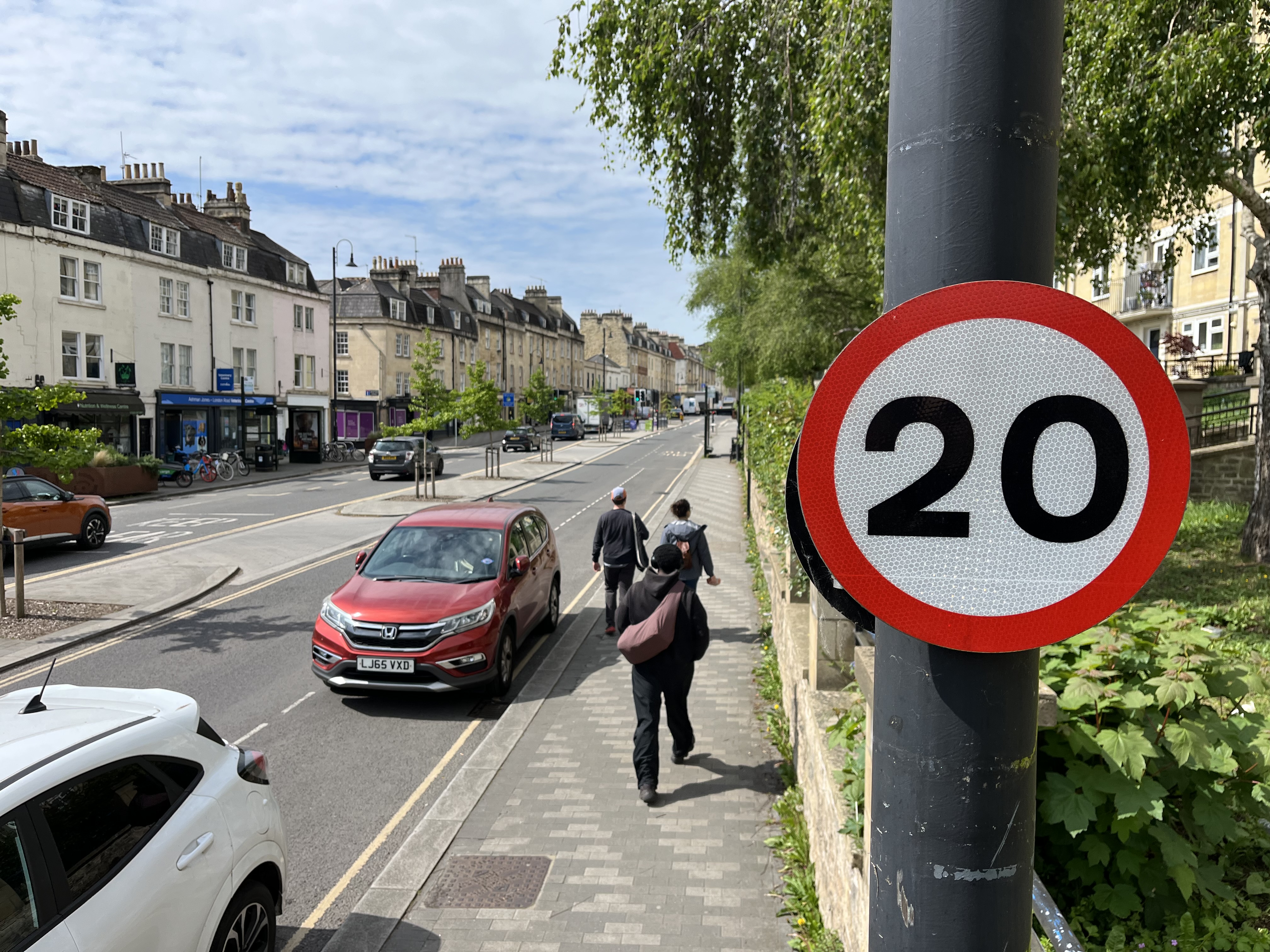
Welcome to Bath
England’s First 20mph City
Support our funding bid now at by clicking here!
We have been shortlisted for £38,000 in funding that will deliver 5.5 miles of additional 20mph, all around the schools of BA2. Public support is essential to getting the bid selected! Expressing support takes 2 minutes of your time. Thank you!
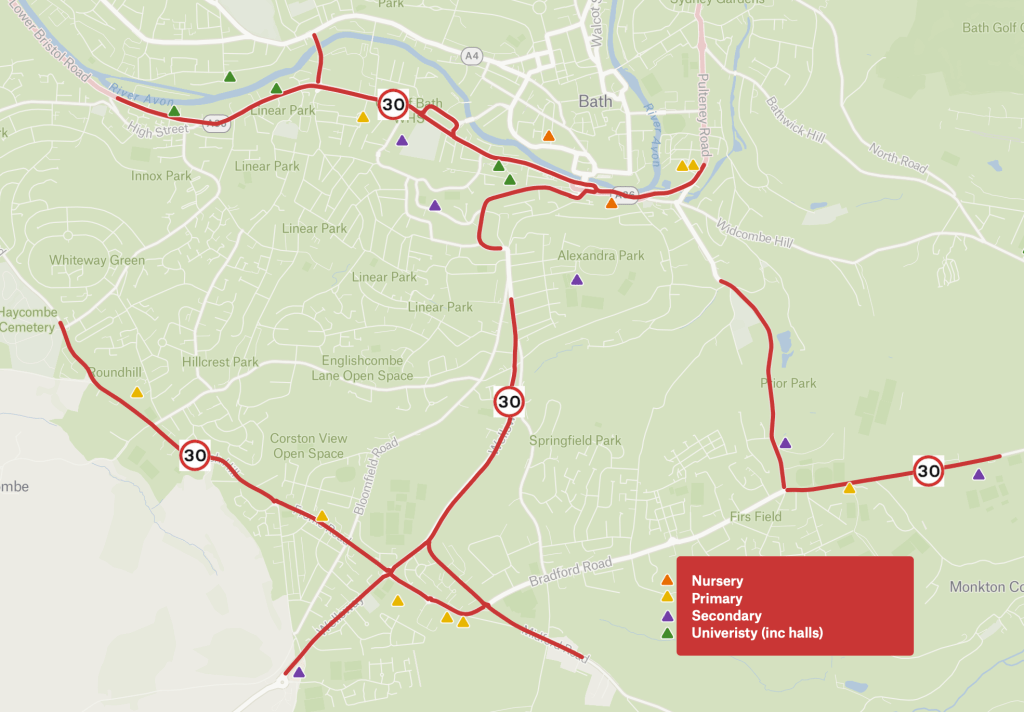
Bath is 8 miles of tarmac away from being England’s first 20mph city. We are campaigning for that by the end of 2027.
This is an opportunity for Bath to lead the way and demonstrate what a truly liveable city looks like. 30mph roads divide communities and confuse drivers. Let’s make safety the best option for everyone.
Bath’s first 20mph was in 2000. 26 years on we say:
“time to finish the job!”
Sign the petition
You may already be on board with safe speeds- in that case, you can skip straight to signing our petition!
8 Miles of 30mph streets – 17 schools impacted all in BA2
We have identified 3 key routes that make up the remaining 30mph network. If you click on the route it will take you to a dedicated page. Or use the menu bar above.
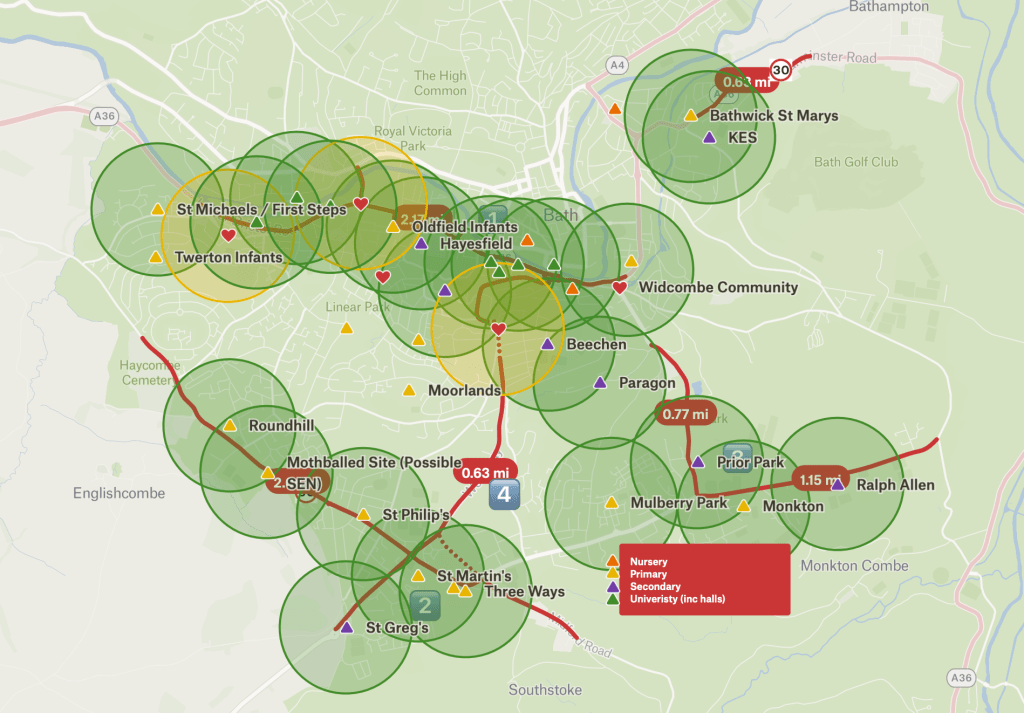
Of particular concern is that in BA2 there are 7 schools with 30mph directly outside, and 3 with 30mph on directly adjacent roads.
30mph at the school gate:
- St Philip’s Primary School
- St Martin’s Primary School
- Threeways School / Aspire Academy
- Monkton Prep School
- Ralph Allen School
- Prior Park College
- St Gregory’s College
- Bathwick Saint Mary’s (Warminster Road gate)
30mph on directly adjacent roads and on principal routes to get to/from school:
- Beechen Cliff
- Oldfield Park Infants
- Roundhill Primary School
- Widcombe Primary Schools
- Combe Down Primary
- Mulberry Park Primary
- Hayesfield (Brougham Hayes)
- Hayesfield (Upper Oldfield Park)
- KES
We call for a 500m radius ‘safe speed zone’ around all educational establishments including student halls. This corresponds with the ‘5 minute walking bubble’ used by most schools as part of their travel plan (Modeshift Stars)
Why 20mph exactly?
The overriding reasons is that lower speeds save lives and improve lives.
They save lives because:
- There are fewer collisions at lower speeds
- Those that do occur tend to result in fewer and less serious injuries
They improve lives because:
- Fewer communities are exposed to tragedy resulting from road crashes
- People feel safer walking, wheeling and cycling
- Communities are better connected
- Noise levels drop
- Less confusing for drivers
- Less stressful for drivers of buses and other large vehicle
- Air quality improves as brake and tyre dust emissions reduce
- Fewer crashes saves money for the council and emergency services
Every day in Bath, collisions are avoided where low speeds are in place.
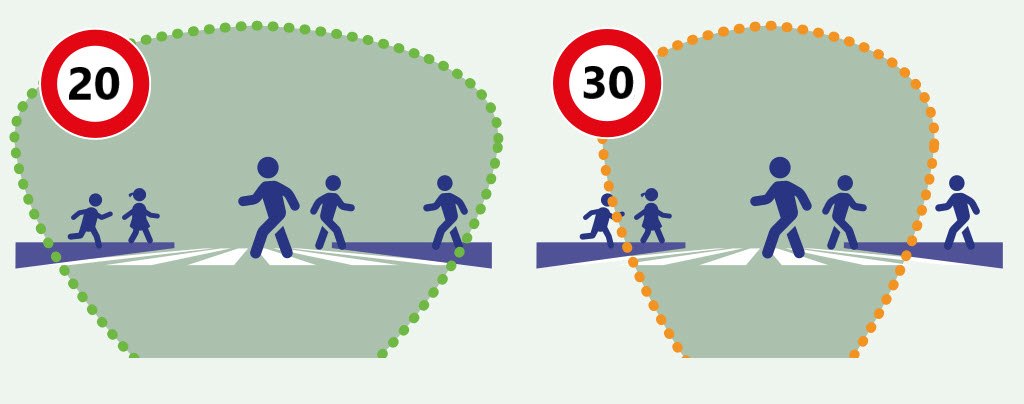
Prioritising children
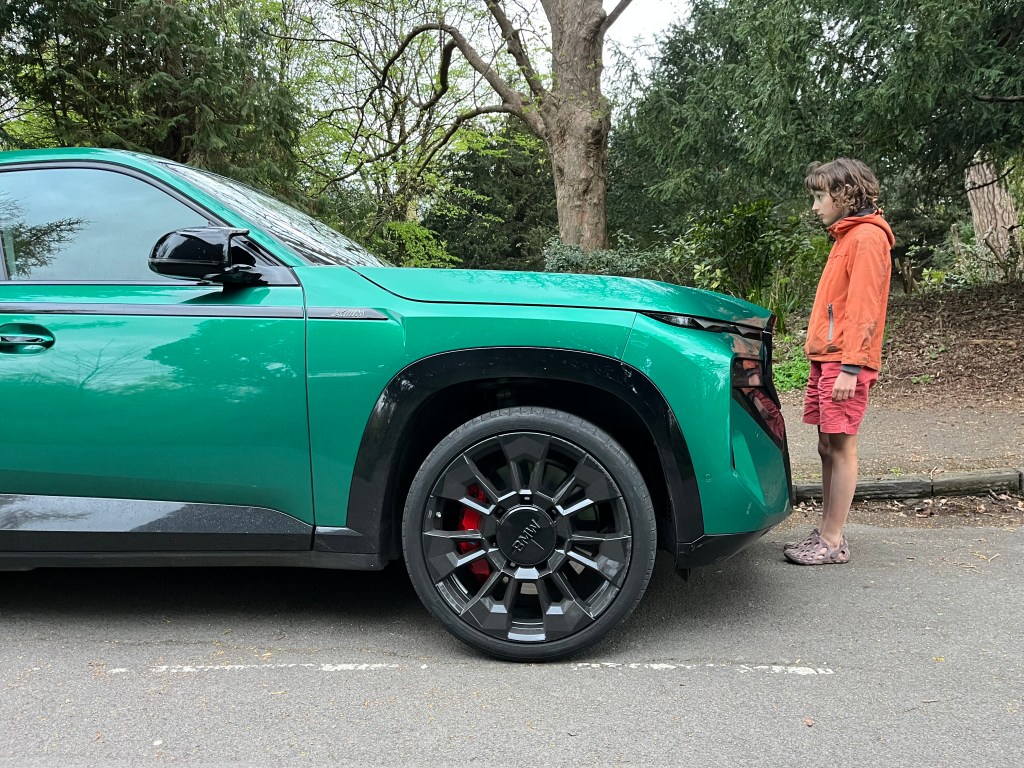
“It is down to children to protect themselves from dangerous adult behaviour”
It is strange how readily people say things similar to the above in regards to the roads, in a way they would probably never say about any other aspect of life.
Children and young people are particularly harmed by higher speeds, if only because they make disproportionate use of pavements going to and from education. And an alarming number of people are hit on the pavement itself- not crossing the road as often assumed.
When you were young, you too had:
- a poor appreciation for distance,
- a poor appreciation of how fast objects were moving and
- a poor appreciation of how to assess risk, partly through lack of experience
You were also particularly vulnerable to injury in a collision, something larger, heavier vehicles has only exacerbated.
Fast, hazardous roads can be such a barriers to transport choice that people end up driving their children as they feel there are not safe alternatives. So more traffic, more danger… a vicious circle.
And keep in mind, activities such as walking and cycling are some of the few the only independent movement options open to children- they can’t drive!
We all have a duty of care to deliver safe speeds where children walk, scoot, cycle and play in Bath. Indeed, the BANES Active Travel Masterplan puts ‘Child Safe Streets’ as its headline priority.
The ‘A-Road myth’- time for equal treatment of Bathonians
If you visit nearly any hamlet, village or town in Bath & North East Somerset (BANES), chances are it will have a universal 20mph. That is a great achievement.
Unfortunately, Bathonians have been somewhat neglected, with notions lingering that the speed of people driving through Bath on some A-Roads should be prioritised over the safety of those living in Bath.
This has led to some stark inconsistencies:
- Towns and villages on busy A-Roads in BANES have 20mph: Keynsham, High Littleton, Chelwood, Bishops Sutton, Pensford (as of 2027). Equally hazardous locations in Bath continue to await safe speeds eg. Bear Flat
- The A36 Lower Bristol Road (LBR) is extensively 30mph. Corston Village, 2.5 miles away on essentially the same road, is 20mph
- The A367 through Bear Flat is 30mph. The A367 through Radstock is 20mph (this may change in 2027)
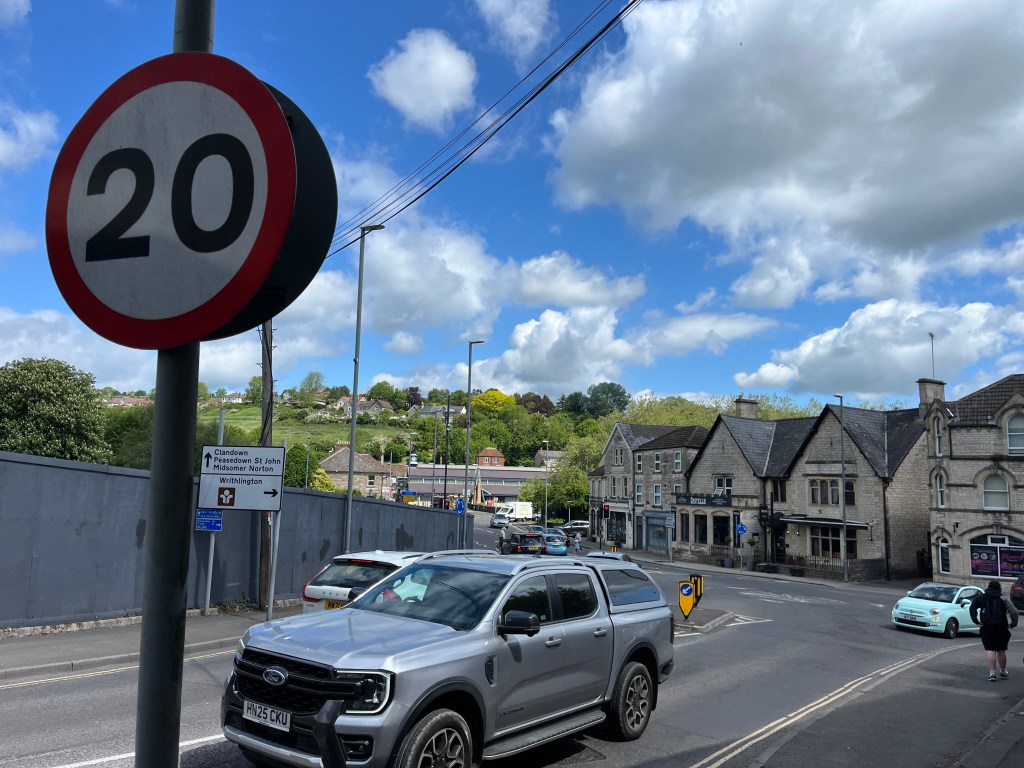
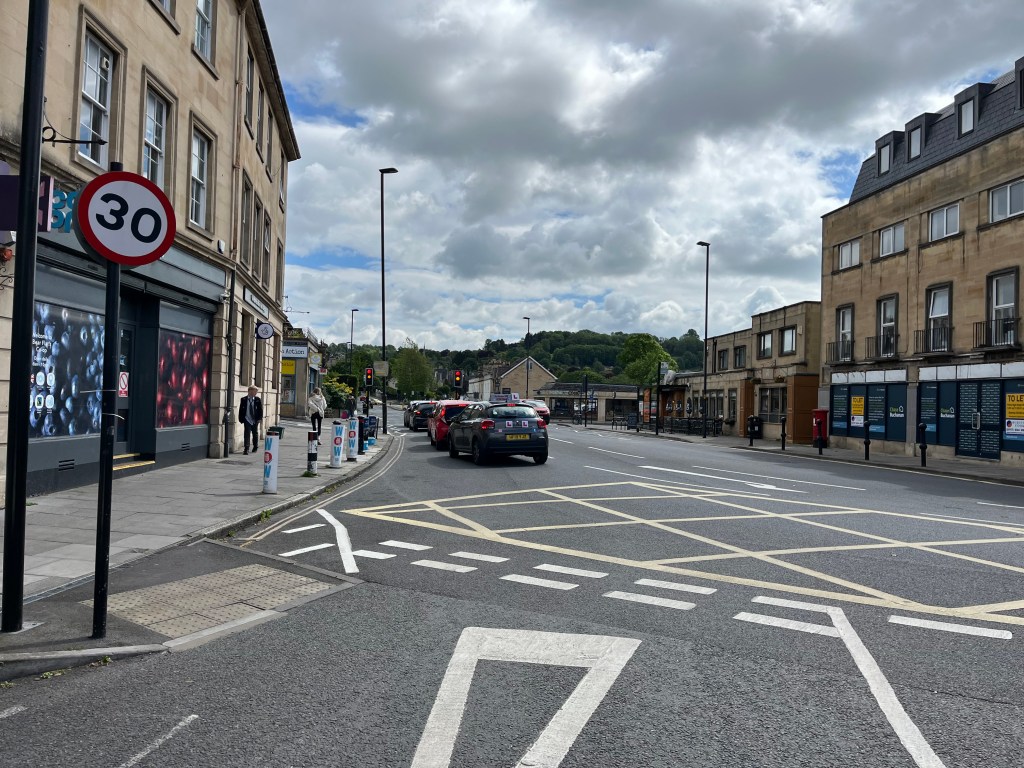
A367 Radstock- 20mph. A367 Bath- 30mph.
And even within Bath City limits there are inconsistencies:
- The A4 London Road (Bath) is 20mph. The A36 Lower Bristol Road (LBR) is not.
- Every school in BA1 will have a 20mph within 500 meters of the gate by March 2027. That is not the case in BA2, especially around the southern fringe.
- The steep, wide and busy Bathwick Hill is 20mph. The steep, wide and busy Wellsway is 30mph
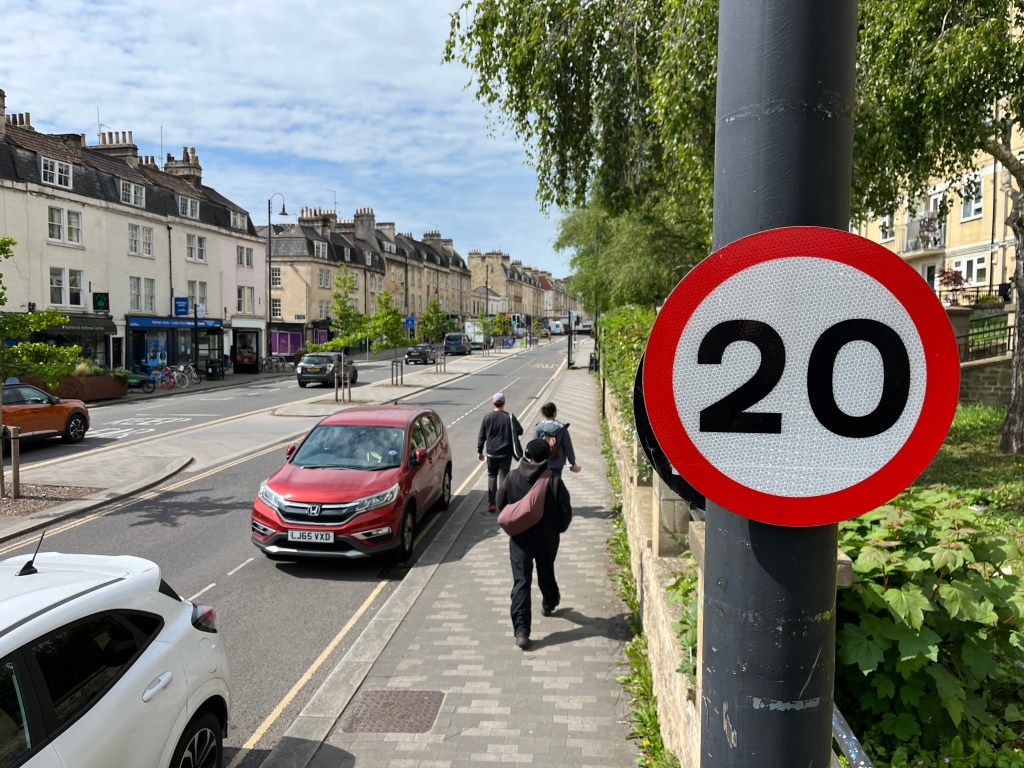
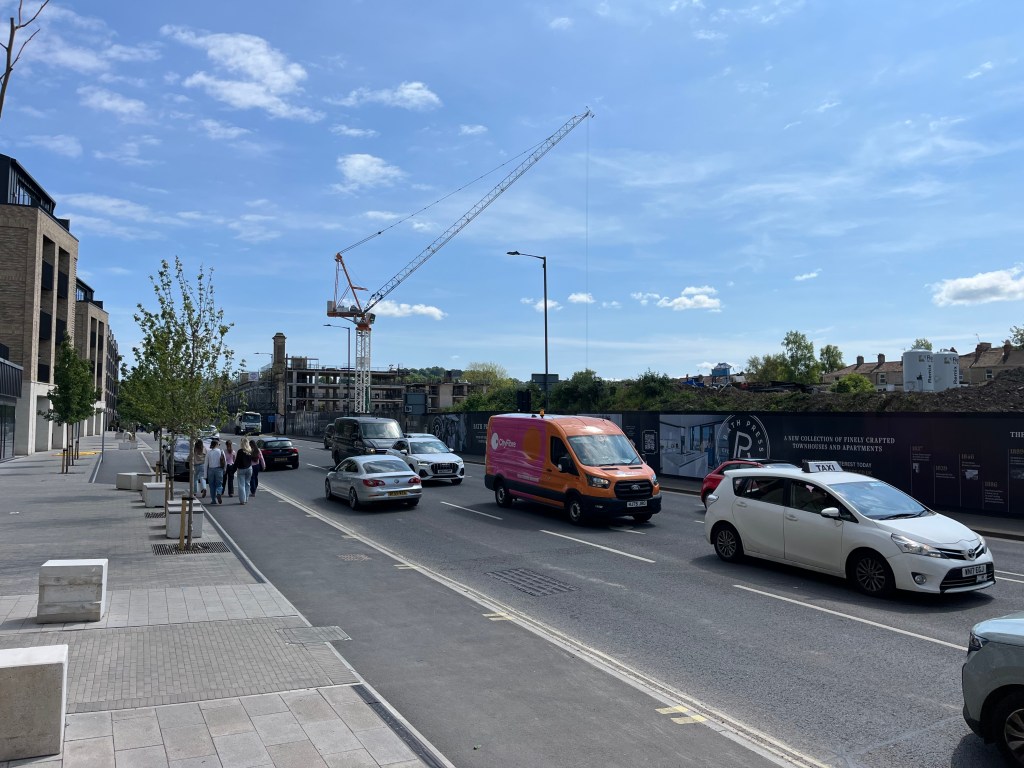
London Road left, Lower Bristol Road Right… why differing limits?
We have a comprehensive map which highlights the inconsistencies here.
It is time to give everyone in Bath the same safe speeds that have been rolled out all over the county (and indeed, complete the county wide safe speed work).
An epidemic of inattention
Sorry, what was that? I was too busy scrolling on my phone.
If you walk, wheel or cycle in Bath, you will be only too aware of how distracted some drivers are. Someone interacting with a phone on their lap is a common sight. You may also have noticed the smell of cannabis wafting from an alarming number of vehicles.
Too many drivers are simply too distracted to properly control their vehicle, vehicles that have become increasingly large and heavy as noted above. Reducing the speed at which they can carry out their dangerous behaviour is one tool in reducing the severity of collisions.
Humans make mistakes. Not paying attention when driving is a mistake. 20mph helps reduce the likelihood of that being a tragic mistake.
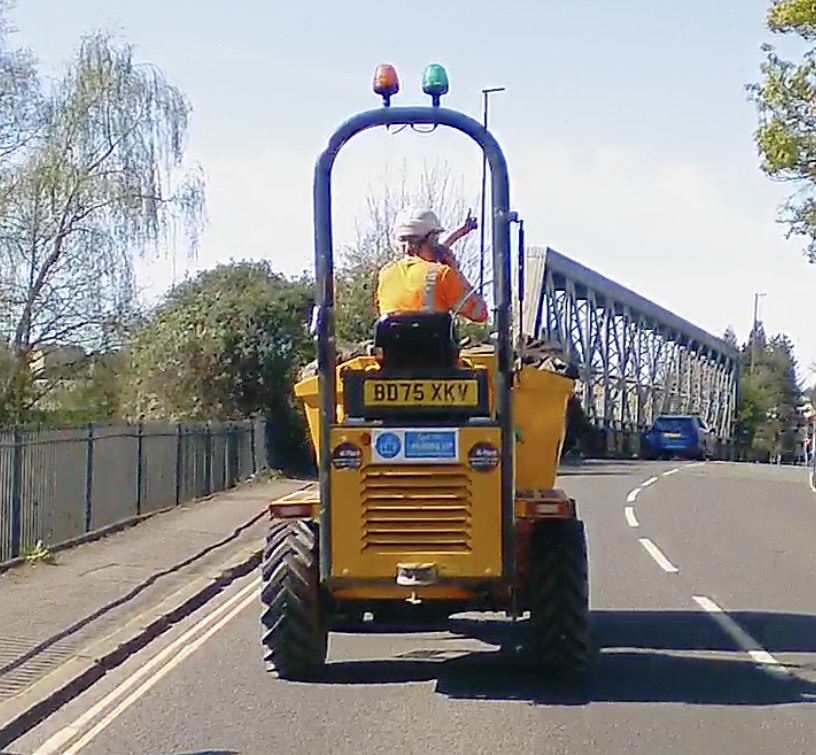
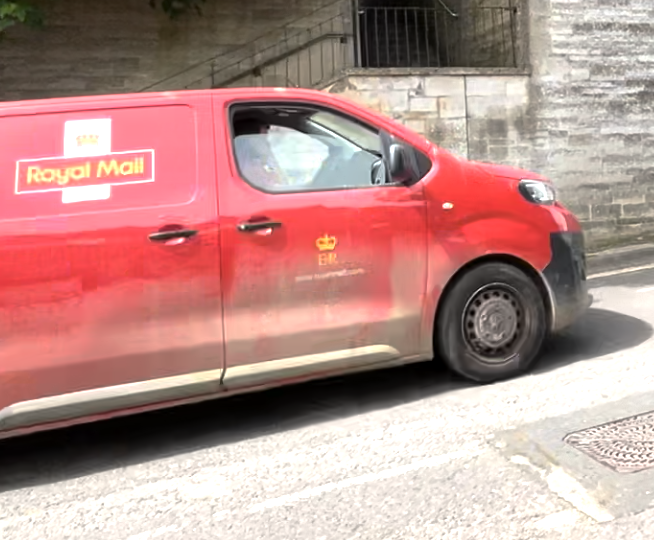
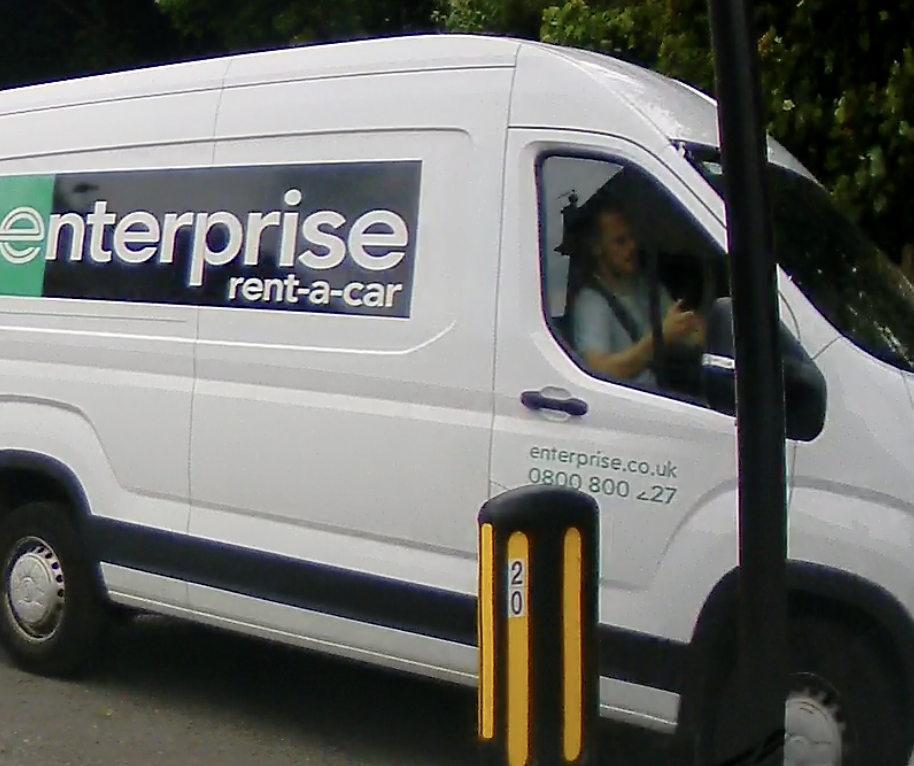

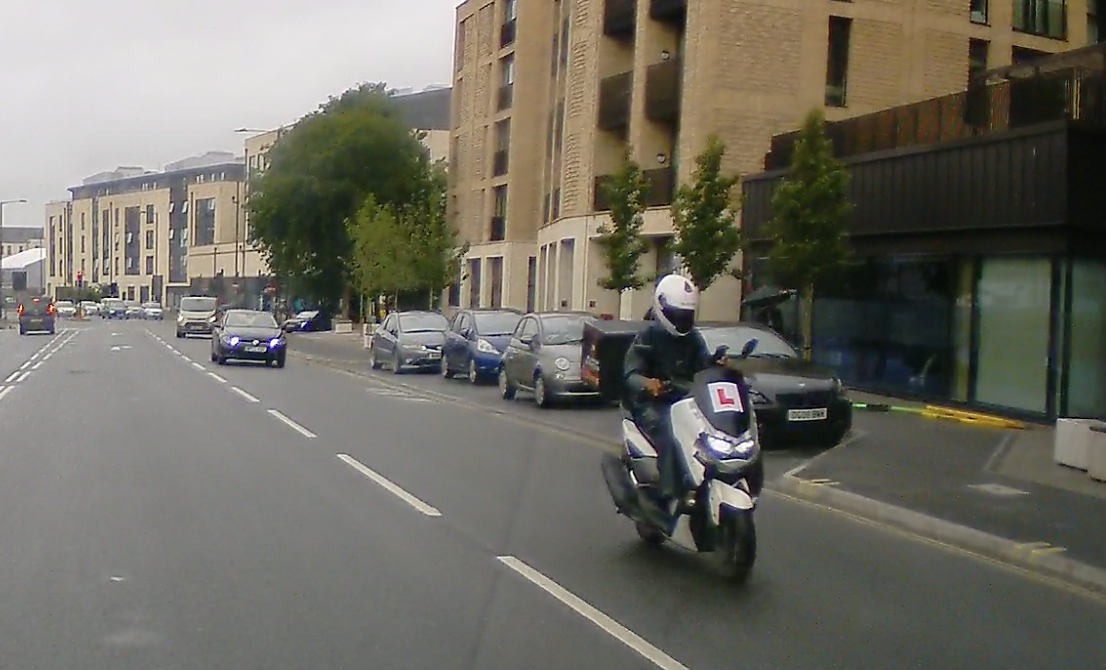
Pictures taken within Bath of distracted driving – various contributors
Policy position
In 2023 the council unanimously adopted Vision Zero, which states:
“The vast majority of road deaths are avoidable, and the only acceptable long-term casualty target for road deaths and serious injuries in Bath and North East Somerset is Zero”
20mph is an essential basic plank of delivering Vision Zero. The safe systems approach has 5 key elements, and is set out here:
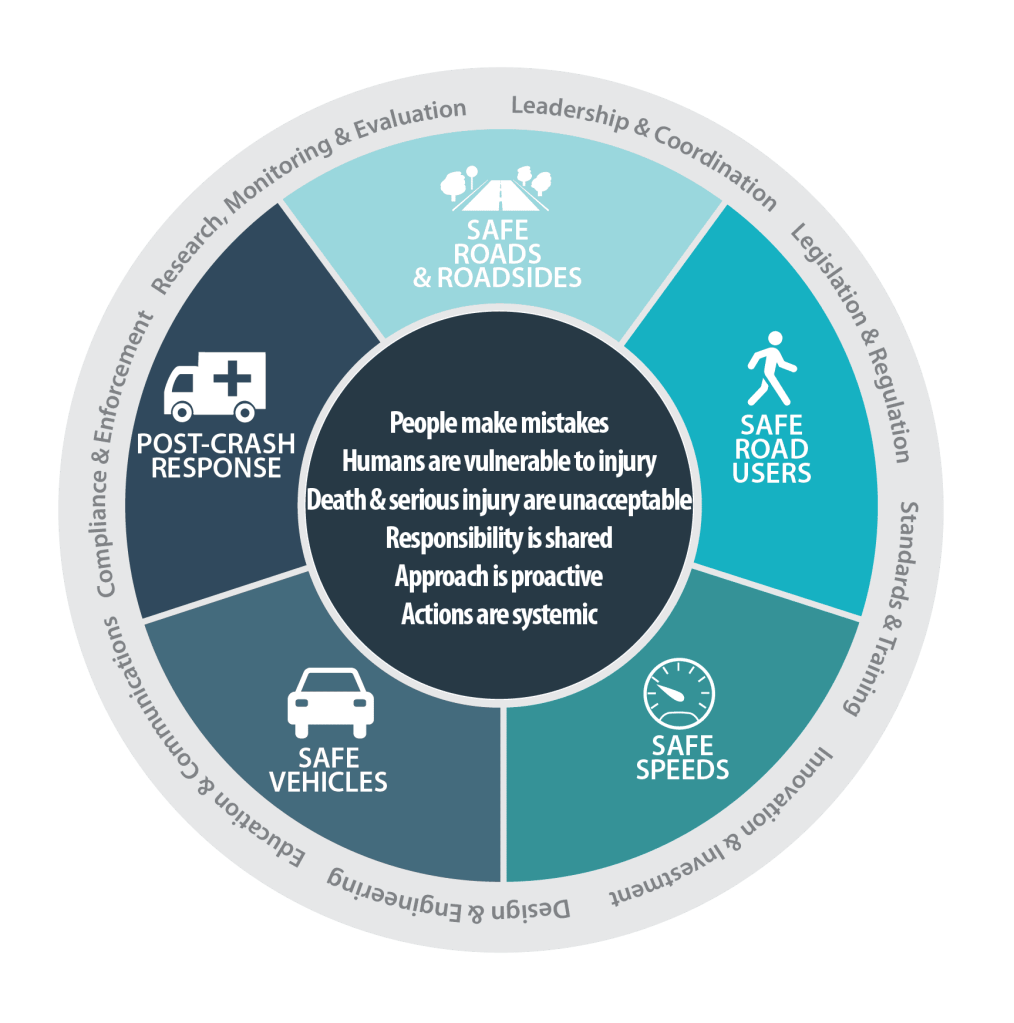
We feel the end of 2027 is a very achievable target for delivering on ‘safe speeds’
The Active Travel Masterplan commits to deliver:
- Child Safe streets
- Healthy streets
- 20mph zones
- Safe routes to school
The council have ambitions air quality targets. Safe speeds can help meet these through lower emissions from brake and tyre wear (including from relatively heavy electric vehicles)
Getting best value for tax payer money
Research has shown that constant speed limits across large areas deliver the best outcomes and thus value for money. The current situation of fragmented 20mph roads is undermining delivering safe driver behaviour across the network as a whole.
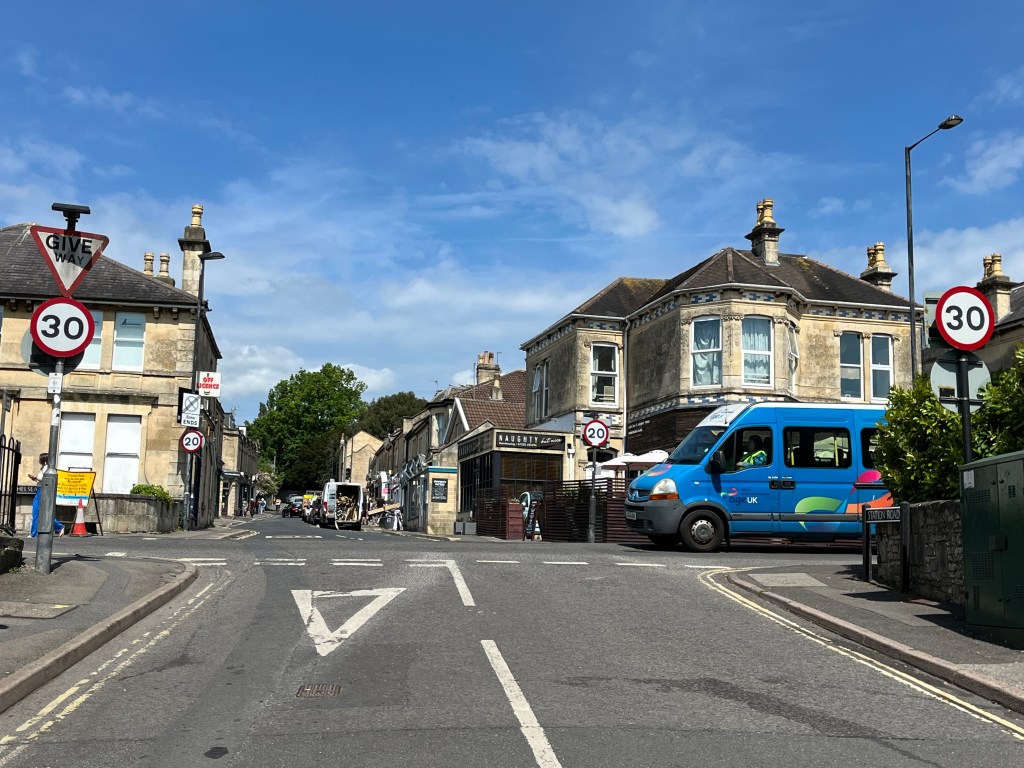
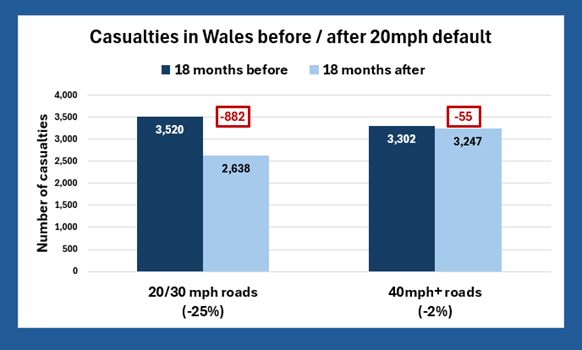
It is also confusing for drivers who are often heard to complain they cannot keep track of ‘yo-yo-ing’ limits. And government guidance is speed limits should be: “evidence-led and self-explaining“. Well, Wales has given us all the evidence and the current pattern of speed limits is the opposite of self explaining.
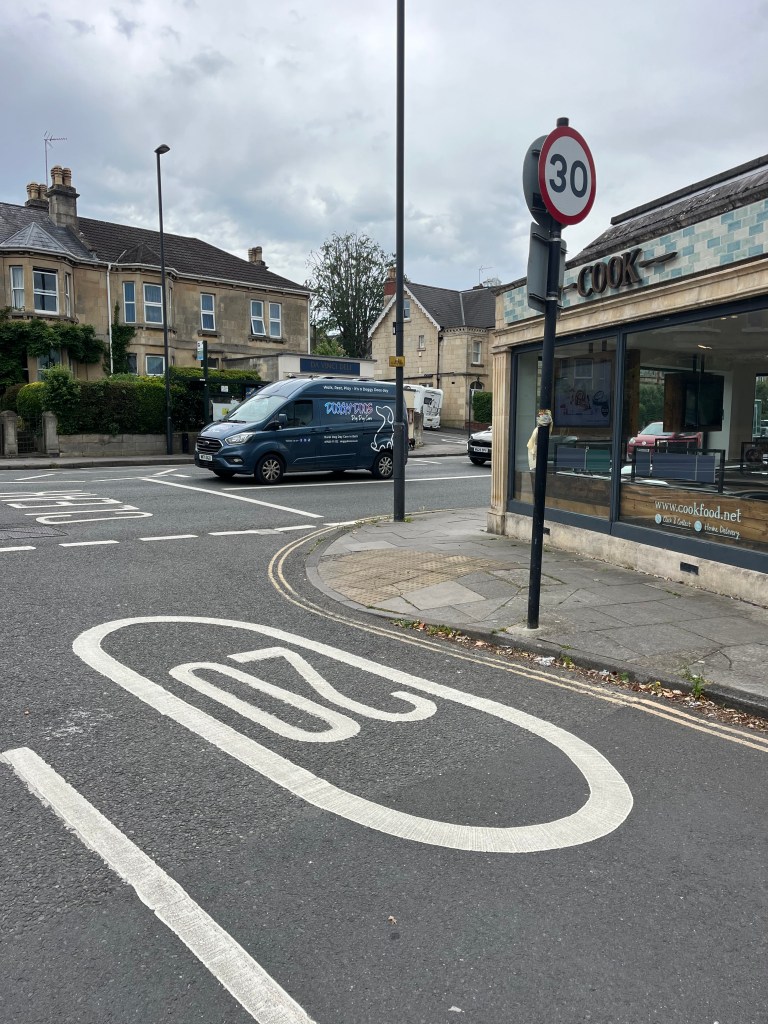
It is hard to give an exact figure, but £50,000 should do the remaining roads in Bath (c£7k/mile). For context, a single zebra crossing costs upwards of £70,000.
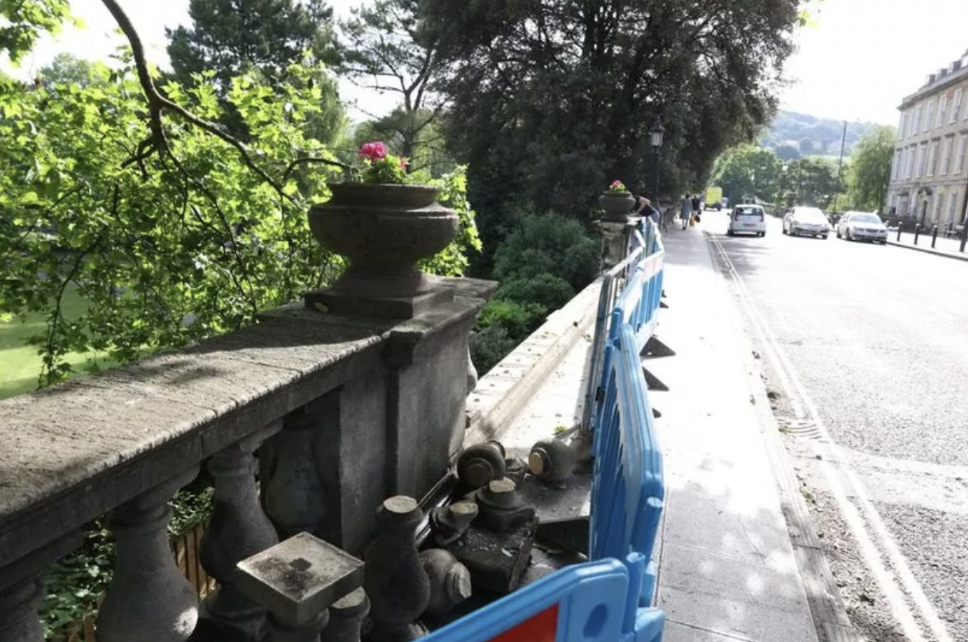
Below is the damaged pillar at the top of Ralph Allen Drive. It was hit by a driver in this 30mph area. The repair bill: ONE HUNDRED THOUSAND POUNDS. Enough to pay for all of Bath to be universally 20mph twice over.
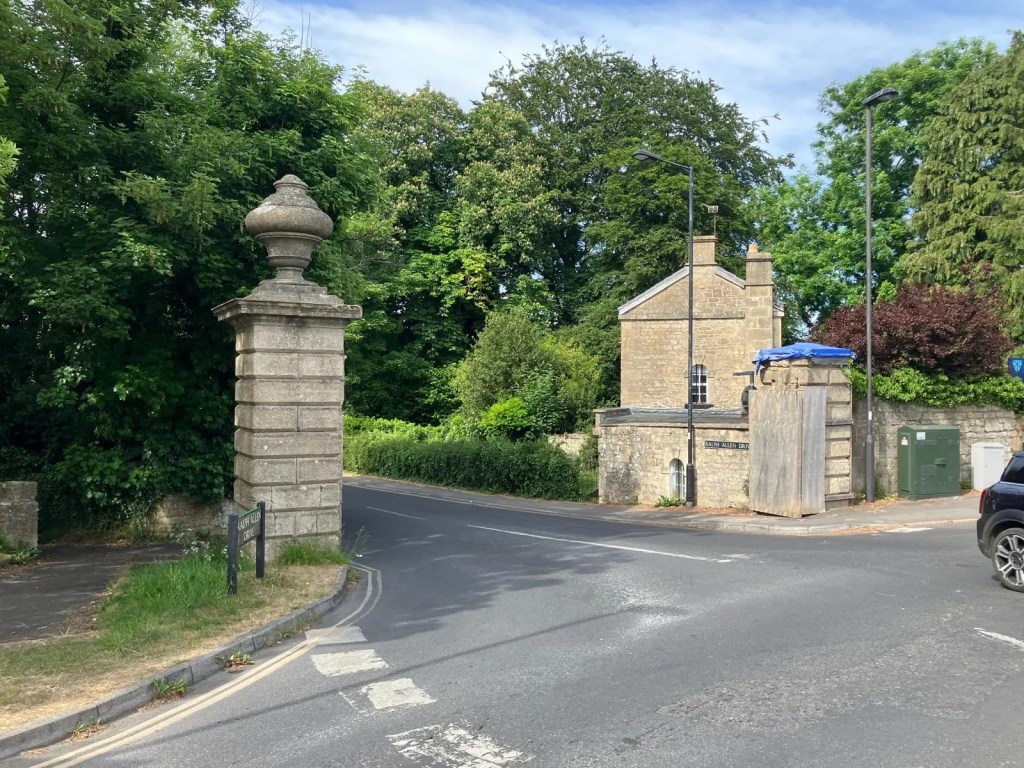
£100,000 repair bill

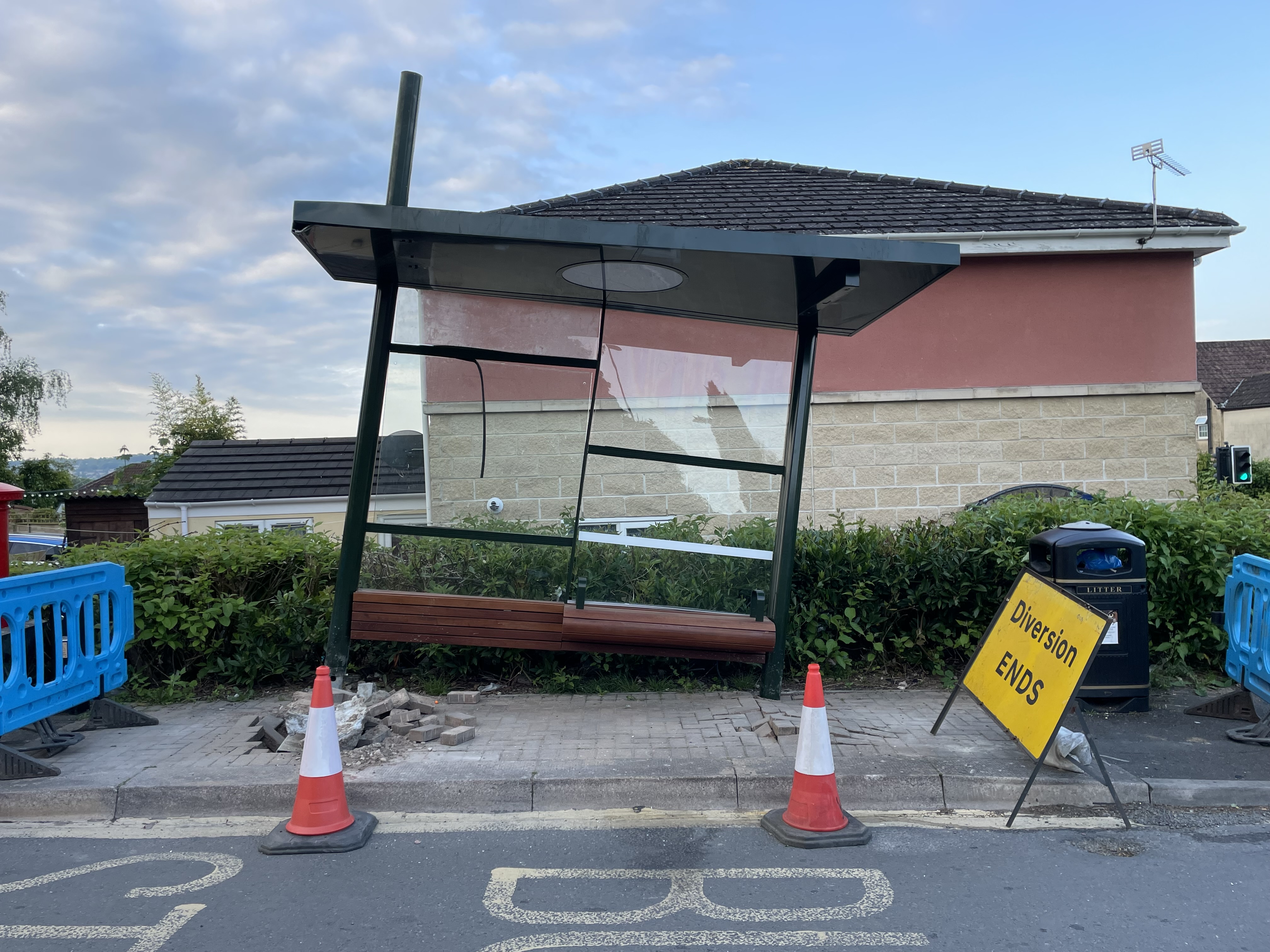
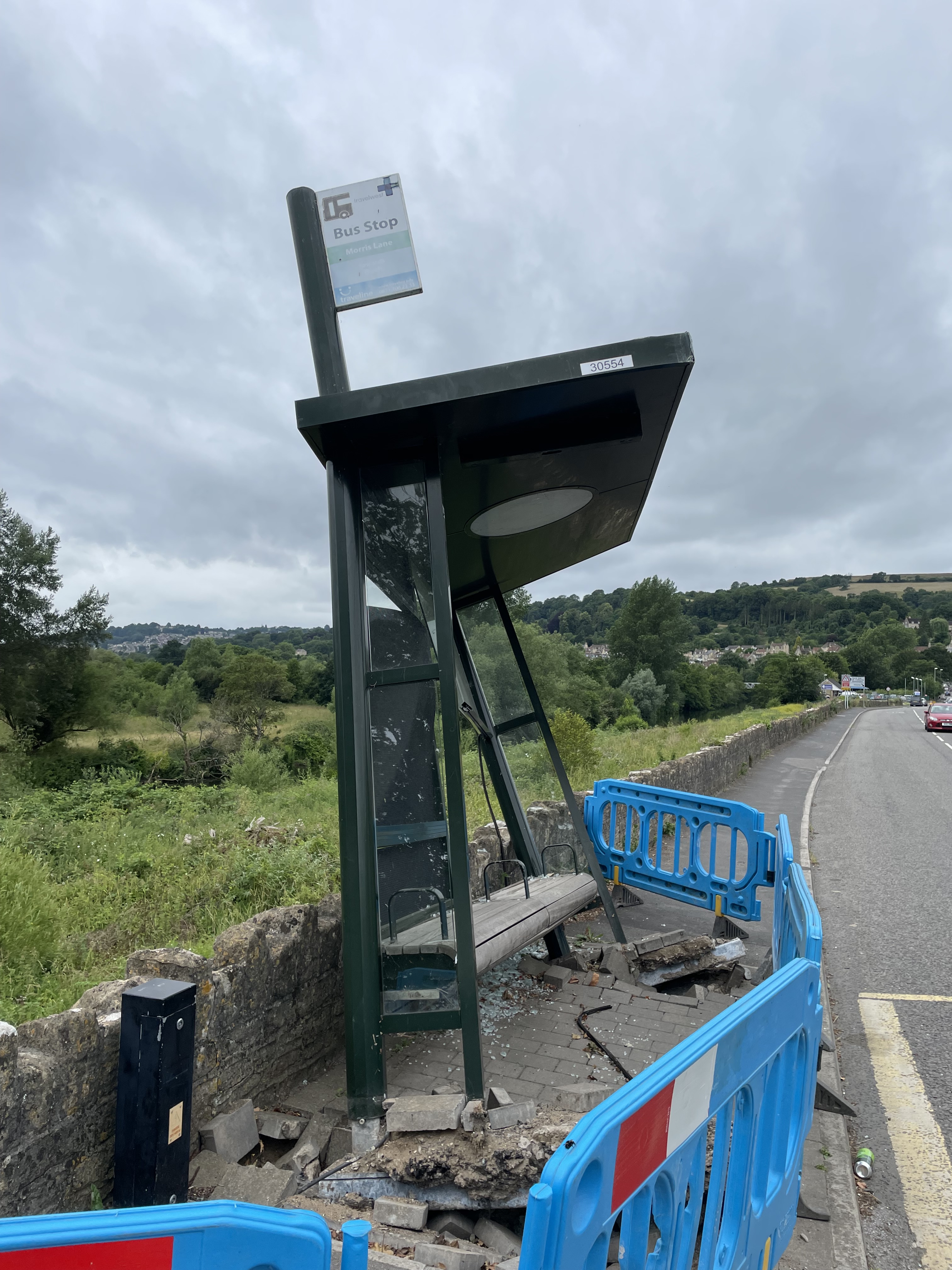
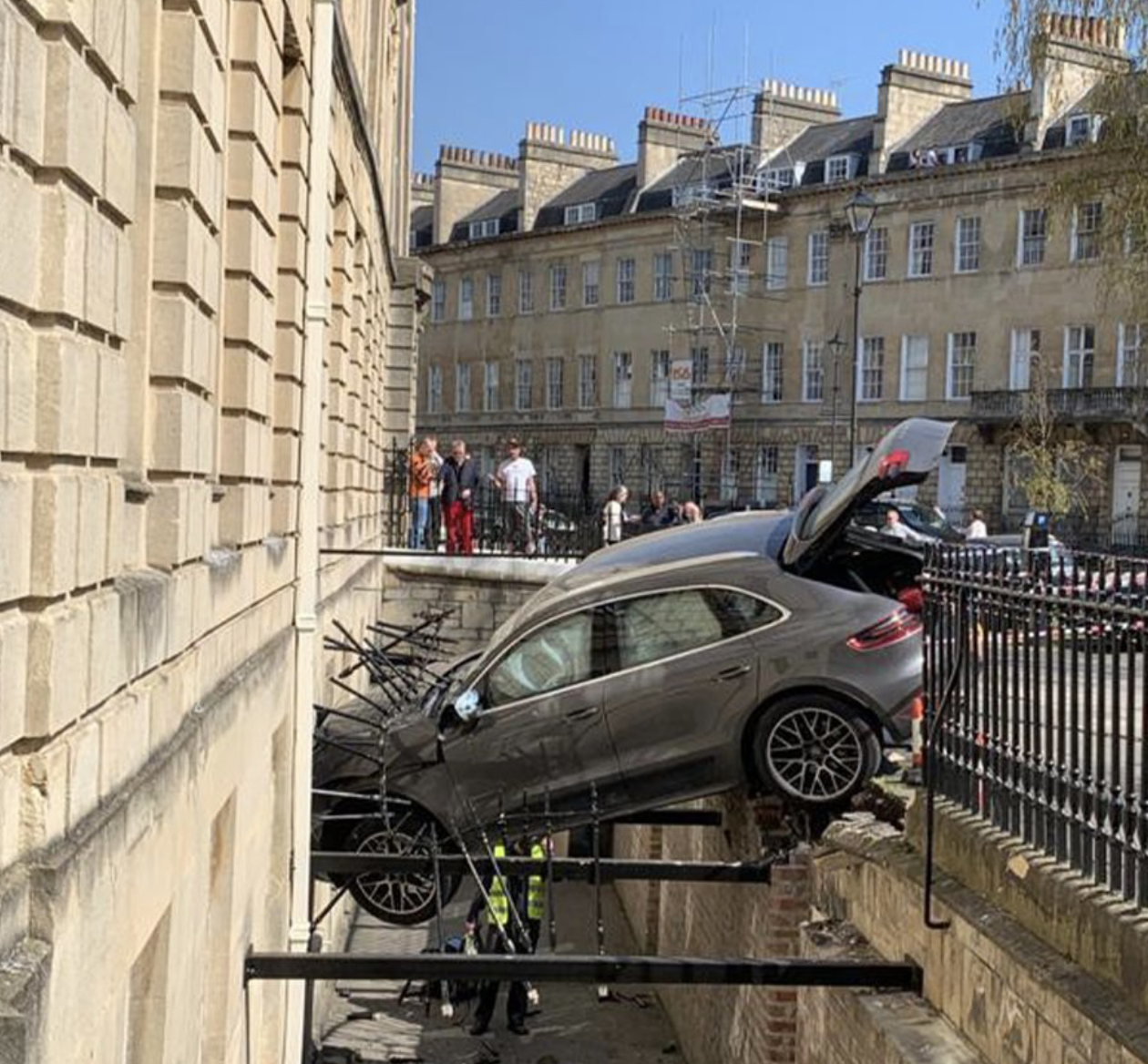
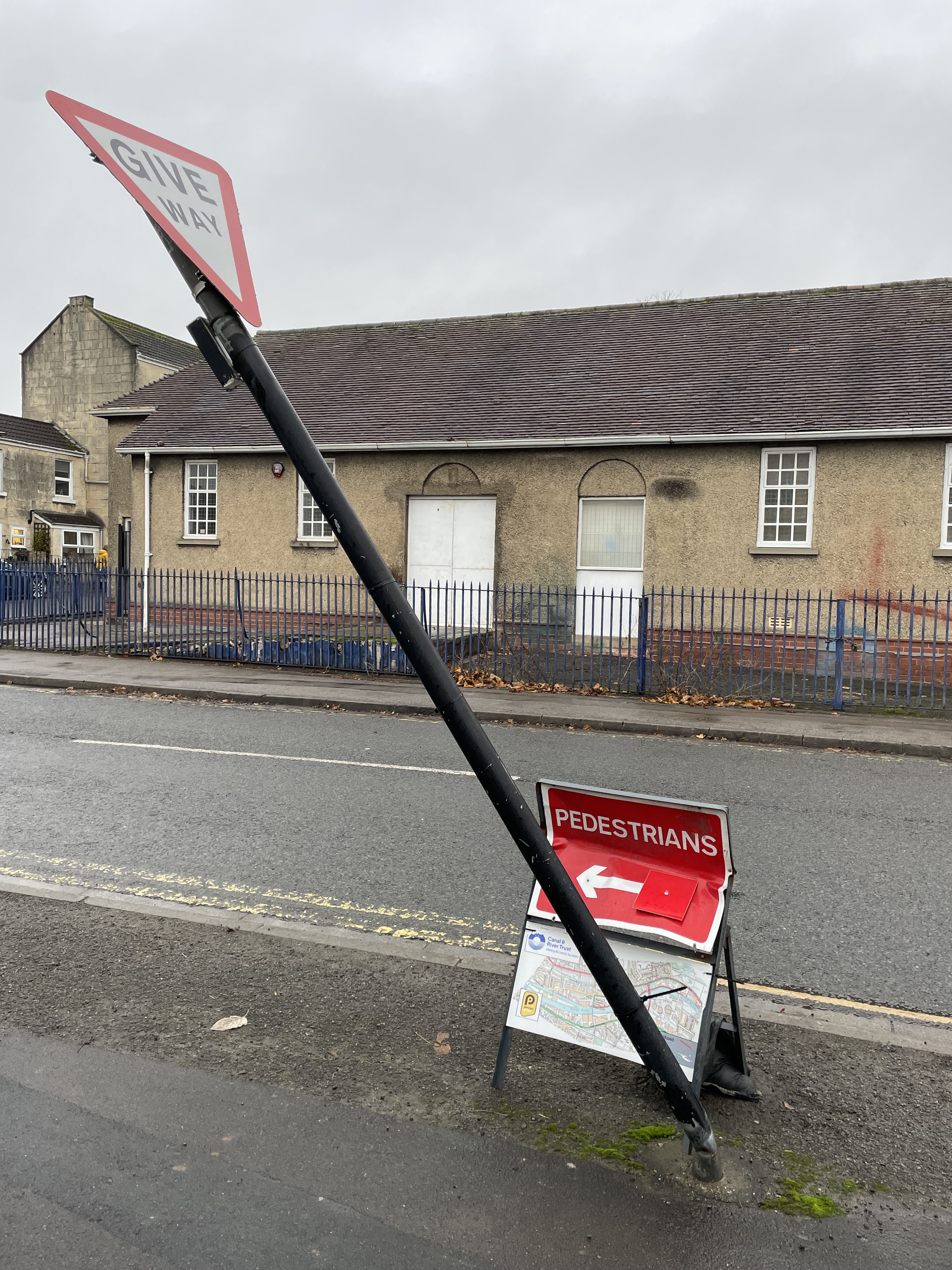
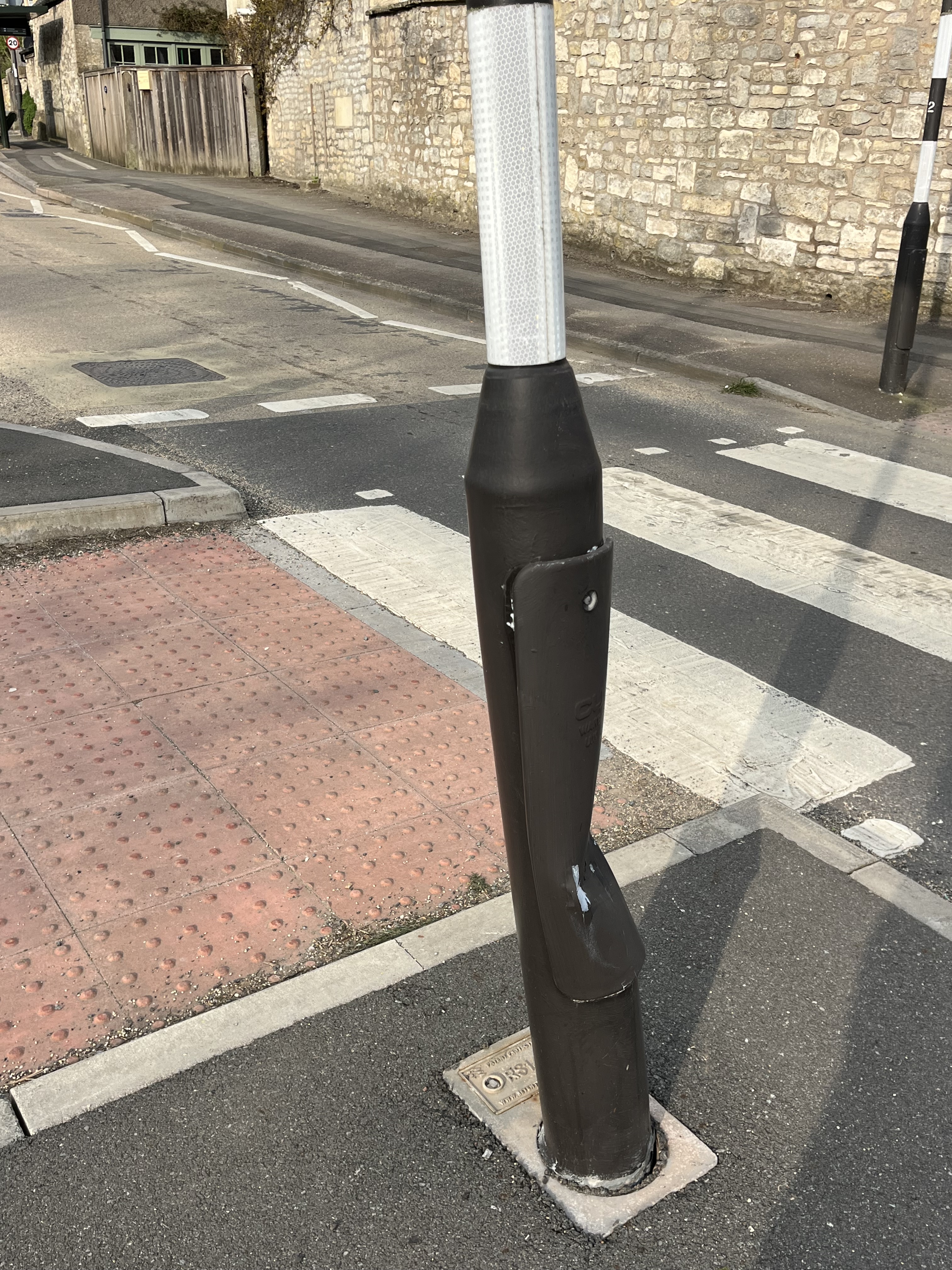
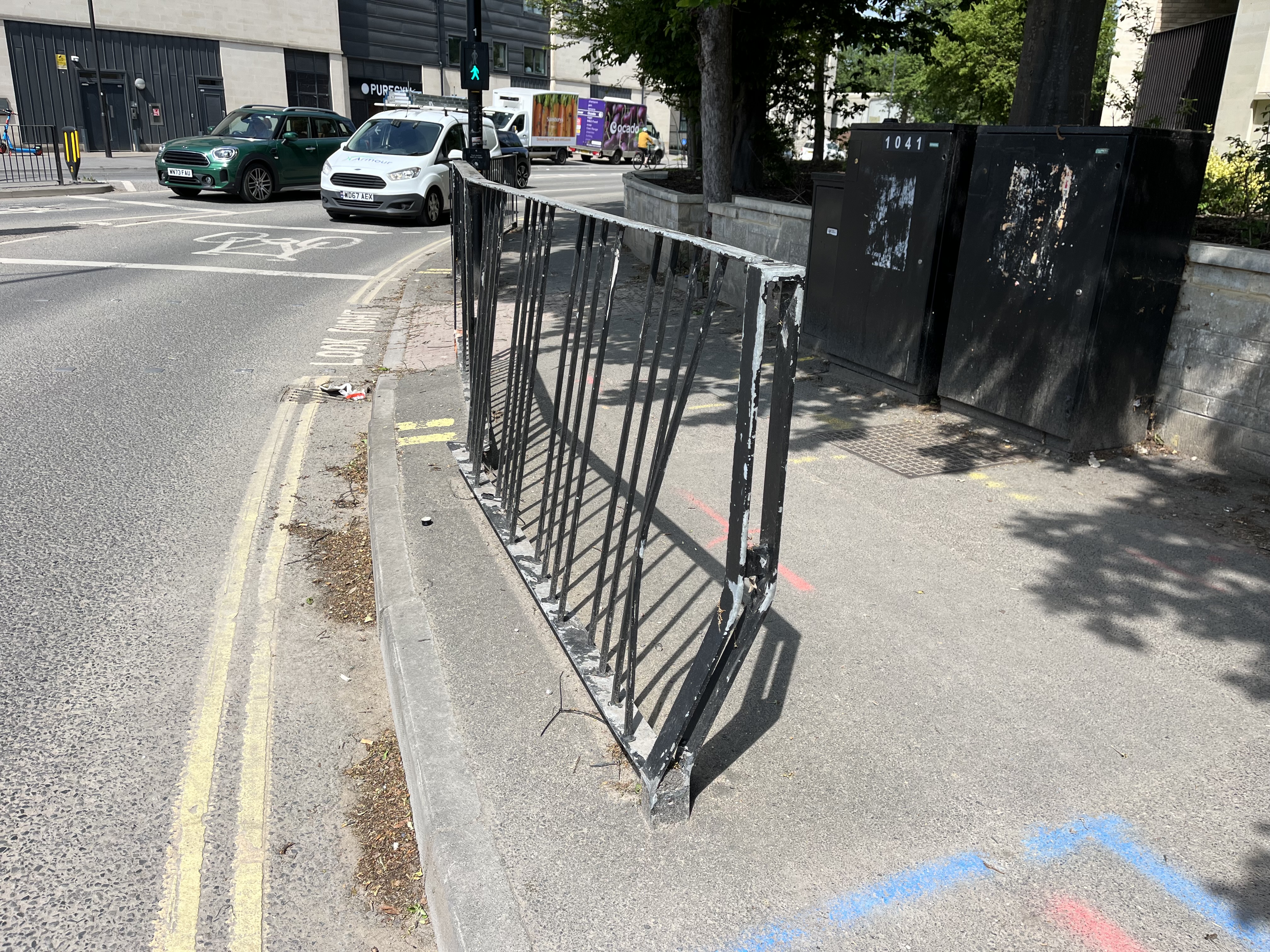
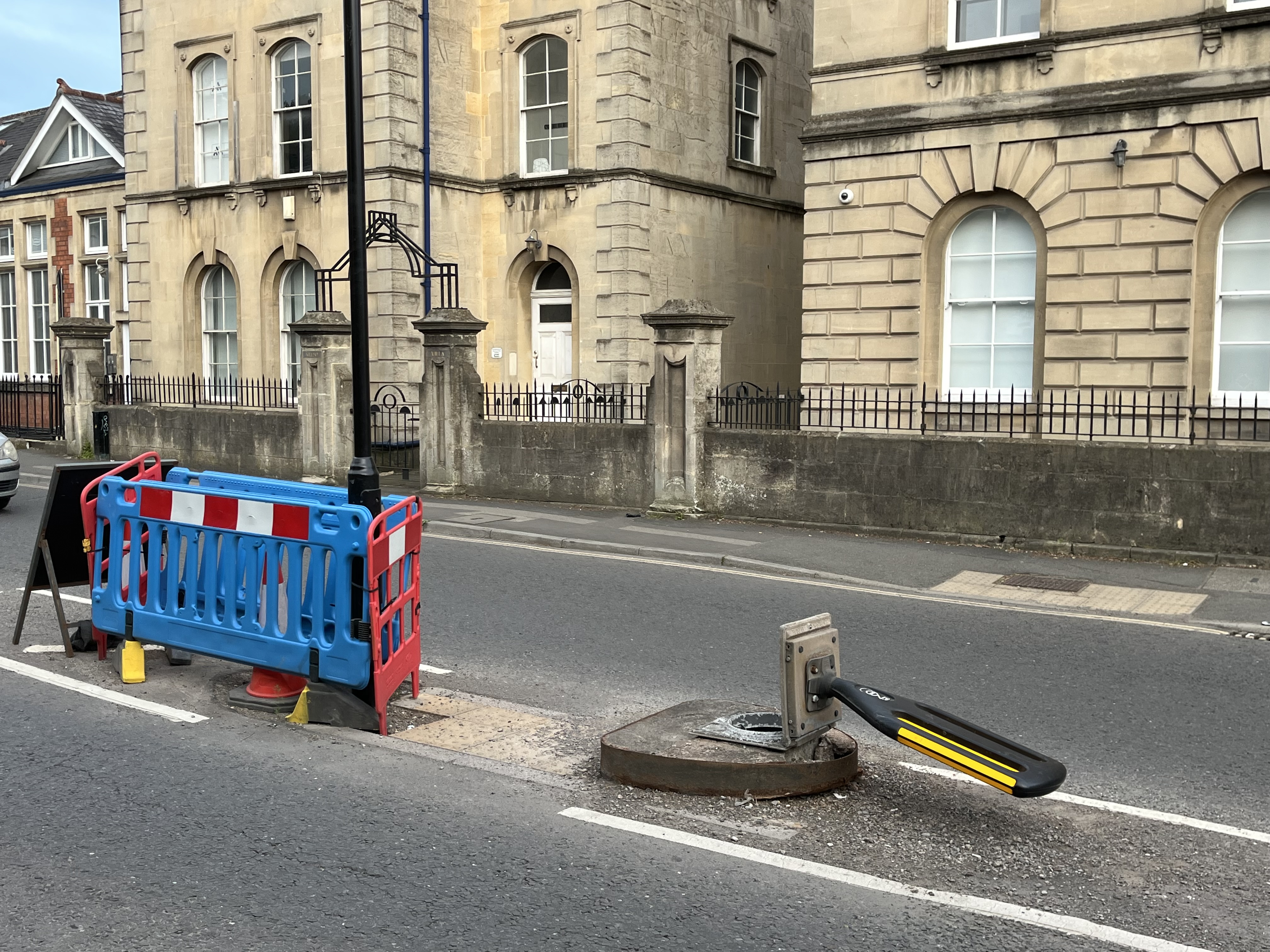
Indeed, drivers are routinely damaging the fabric of the city, and speed plays a big role. Crashing at 30mph has TWICE the energy of a crash at 20mph. Bath 20mph City could pay for itself in a few weeks of we avoid some of the scenes below which we routinely see on our streets (and yes, the council does fund bus stops):
But it is too congested to go 30mph anyway!
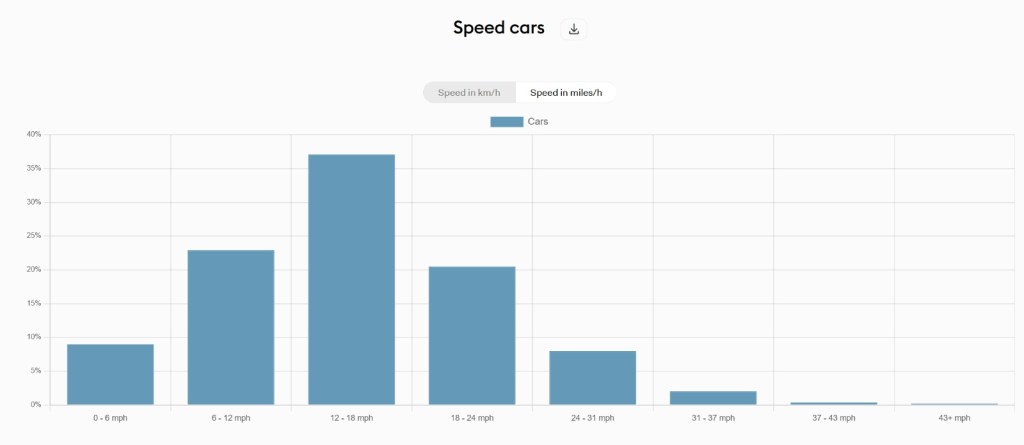
The main issue here is drivers in Bath being told (by the speed limit) that it is safe to race from junction to junction- because those are what actually dictate how fast people get through Bath. It is true average speeds in the congested peaks are not high. That average still masks dangerous speeds by some drivers.
And what about the times when it is not congested? RUH workers are still walking to start a shift. Students are still out for the night. Chefs are scooting home from a busy evening. Safe speed limits are needed around the clock.
If you want some real world data, you can view live information from the A36 Lower Bristol Road here, courtesy of Bath’s Bicycle Mayor! A sample is below…
What next?
- Sign the petition
- Write to your councillor at let your views be heard
- Help us raise awareness- share this website
- Get in touch if you want to help– especially if you want to lead on one of the 3 routes

